
Smoking cessation products from native plants
Rua Bioscience announced a new research partnership to develop clinically-proven smoking cessation products from New Zealand plant species, building on emerging evidence that a naturally occurring compound in native flora could transform smoking cessation and broader public health outcomes in Aotearoa and beyond.
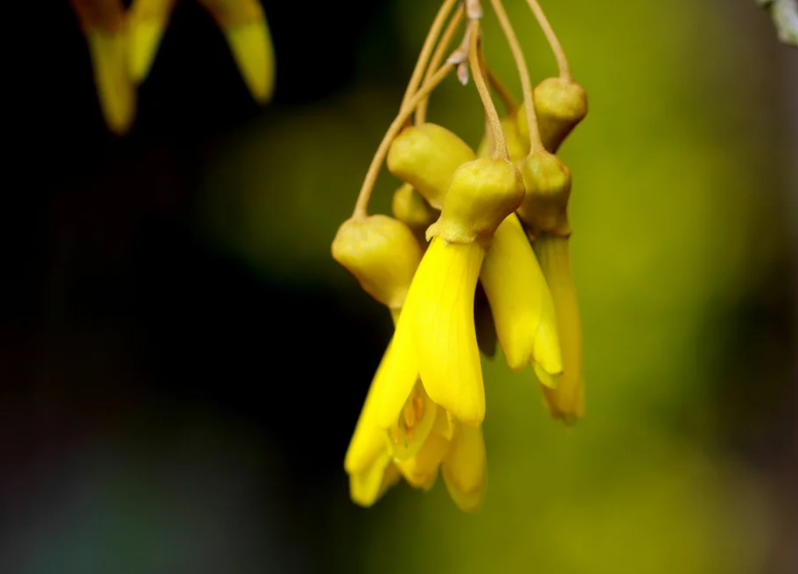
Cytisine - an alkaloid found in high concentrations in kōwhai - has been used for decades in Eastern Europe to help people quit smoking and was recently highlighted by New Zealand researchers as a safe, effective, and affordable alternative to nicotine replacement therapy. Flinders University Professor Natalie Walker’s clinical studies undertaken during her tenure at Auckland School of Medicine, including trials with Māori participants, have shown cytisine to be more effective than standard therapies, with a compelling safety profile.
Cytisine has been recognised by Medsafe as a treatment for nicotine addiction and was recently added to the World Health Organisation list of Essential Medicines, meaning health providers in a large number of countries are likely to be looking for suppliers of quality, proven products.
The MBIE-supported programme brings together Rua Bioscience and Rua co-founder Manu Caddie, who’s company IO now leads several Māori community-driven ventures developing novel products from indigenous organisms. The project will establish a Māori-governed, benefit-sharing model for sourcing and scaling production of cytisine, trialling plantation cultivation, and completing laboratory extraction and purification through the bioprocessing team at Callaghan Innovation. Workstreams also include prototype product development, regulatory pathway assessment, and market and IP strategy.
The programme may also explore innovative formulations to support smoking cessation and investigate other therapeutic applications including mood disorders, cognitive enhancement and alcohol addiction.
Rua CEO Paul Naske says the project reflects Rua’s founding kaupapa: “This is the next evolution of Māori-led bioinnovation - taking a naturally occurring compound with proven benefits, ensuring kaitiaki rights are upheld, and developing a world-class product that could improve health outcomes here and around the world.”
“Investigating opportunities beyond cannabis has been in our DNA since Rua Bioscience was founded - the company actually started with ventures focused on kānuka and kina” said Mr Naske. “We also invested early with IO Ltd on the wairuakohu-derived cannabinoids research announced earlier this year and Tū Wairua, a clinical trials programme for methamphetamine addiction using mushrooms containing psilocybin.”
Project co-lead Manu Caddie says establishing a locally governed supply chain is critical. “Patients around the world currently rely on products derived from one supplier of cytisine, yet our own indigenous species may be among the richest natural sources of the compound globally. This research aims to support Māori communities to lead development from the ground up - sustainable cultivation, extraction, formulation, IP, and benefit-sharing - aligned with tikanga and Te Tiriti.”
The 12-month project will culminate in a regulatory and commercialisation pathway for New Zealand–made cytisine products, providing the foundation for future clinical trials and scaled manufacturing.