
Guide to Using Medicinal Cannabis in New Zealand
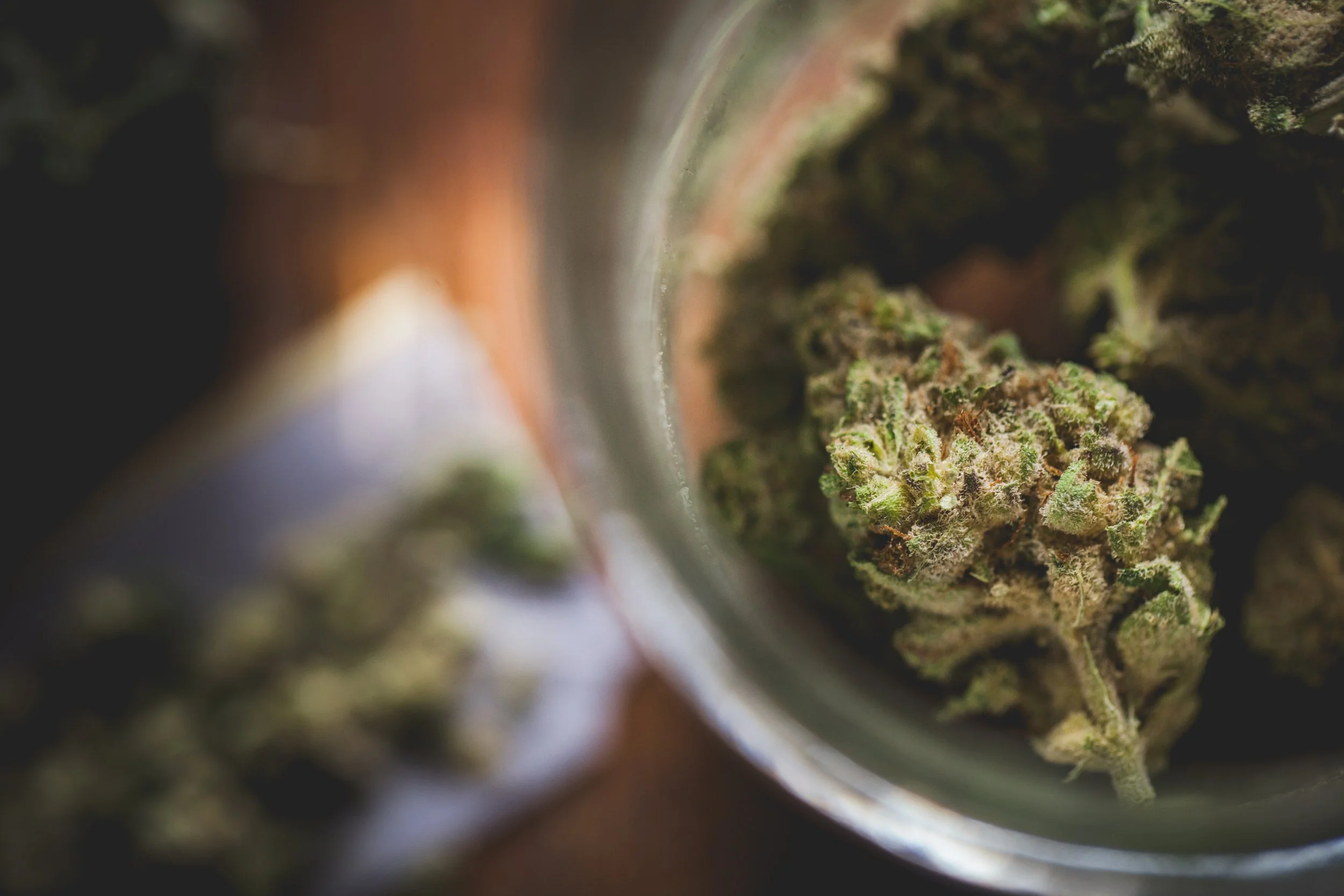
Medicinal cannabis, also known as medical cannabis, refers to the use of cannabis for therapeutic purposes. Medicinal cannabis is increasingly a hot topic in Aotearoa, New Zealand, as people explore alternatives to pharmaceuticals when seeking relief for a variety of health conditions.
Rua Bioscience have put together this comprehensive guide that explains the legality of medicinal cannabis in New Zealand, how to access it, the types of products available, and considerations for safe and compliant use.
What is Medicinal Cannabis used for?
Medicinal cannabis has been studied for its potential to alleviate symptoms related to various conditions, including:
Chronic pain
Epilepsy
Cancer-related symptoms
Severe nausea
Insomnia
Anxiety and depression
Endometriosis
Legality of Medicinal Cannabis in Aotearoa, New Zealand
In New Zealand, medicinal cannabis became legal in 2018 with the passing of the Misuse of Drugs (Medicinal Cannabis) Amendment Act. This law allows eligible patients to access medicinal cannabis products through a prescription from a registered medical practitioner.
In April 2020 the Medicinal Cannabis Scheme was established, providing patients with the right to access quality-assured cannabis-based treatments under the guidance of a medical professional.
Eligibility
Patients must have a qualifying condition as determined by a healthcare professional.
Prescription
Only medical practitioners can prescribe medicinal cannabis, and they must adhere to guidelines set by the Ministry of Health.
Access to Medicinal Cannabis
Consult Your Doctor: The first step is to speak with your healthcare provider about your symptoms and whether medicinal cannabis is a suitable option for you. Unlike some countries, there is no restricted list of qualifying conditions, doctors can prescribe medicinal cannabis if they believe it is clinically appropriate.
Some patients opt for a consultation with a specialist cannabis clinic for more tailored guidance, while others work with their regular GP.
Get a Prescription: If deemed appropriate, your doctor will write a prescription.
Cannabis products are dispensed through licensed pharmacies or clinics. Cost can be a barrier, as medicinal cannabis is generally not subsidised by the government or Pharmac. However, prices have been decreasing as more products become available, and many patients are willing to pay for the quality-assurance of medicinal cannabis as opposed to the variability and potential contamination of cannabis obtained from the black market.
Medicinal Cannabis Products Available in New Zealand
A range of medicinal cannabis products are available in New Zealand, each suited to different needs and preferences.
Dried Cannabis Flower
Inhaled via vaporisation or used as a tea.
Fast onset of effects.
Commonly prescribed for pain and anxiety.
Cannabis Oils (CBD and THC)
Taken orally (drops or capsules).
Longer-lasting effects.
Popular for sleep, anxiety, and chronic conditions.
CBD-Only Products
Non-intoxicating.
Widely used for anxiety, inflammation, and general wellness.
THC Products
Psychoactive component.
Have been prescribed for pain relief, nausea, and appetite stimulation.
Balanced Products (CBD:THC)
Combine benefits of both cannabinoids.
All products must meet strict quality standards under the Medicinal Cannabis Scheme.
Dosage
A one size fits all approach isn’t possible when it comes to dosing medicinal cannabis. This is due to individual differences in people's response to the products as well as the products used.
Some people are very sensitive to different cannabinoids, while others need to use more to produce an effect. Cannabis products have different ratios of CBD and THC as well as other cannabinoids, which can affect your body in different ways when used in a combination.
Cannabis-based products intended for inhalation are a little harder to dose precisely. The use of medical vaporisers helps consistent dosage with the ability to control the temperature and length of inhalation. Measuring the amount of dried flower also contributes to greater consistency, however there will still be some variance due to the nature of the product.

Rua Bioscience recommends a dry herb vaporiser such as the Oleo Panacea, which is one of the most affordable medical devices in the New Zealand market.
Your doctor will provide guidance regarding the dosage of the medicinal cannabis product you are prescribed. Doctors typically follow a "start low, go slow" approach:
Begin with a low dose.
Gradually increase until desired effects are achieved.
Monitor side effects closely.
Factors affecting dosage include:
Body weight and metabolism.
Severity of symptoms.
Tolerance to cannabinoids.
Patients should always follow their doctor’s instructions.
Travelling with Medicinal Cannabis within New Zealand
Travelling with your medicinal cannabis prescription within New Zealand is quite straightforward as long as you follow the guidelines laid out by the Ministry of Health.
You can carry your prescribed medicinal cannabis.
Keep it in original packaging with the prescription label.
You can carry up to a one-month supply of medicinal cannabis for domestic travel.
New Zealand allows travellers entering the country to carry up to a one-month supply of prescribed medicinal cannabis with proper documentation.
International Travel Considerations
The laws regarding medicinal cannabis vary significantly from country to country. Some countries do not recognise New Zealand’s medicinal cannabis laws, and travelling with cannabis products can result in serious legal consequences.
Before you travel overseas:
Research local laws about medicinal cannabis in your destination and layover countries. Some countries strictly prohibit cannabis, even for medical use.
Carry proper documentation. You’ll need a doctor’s letter and a copy of your prescription.
Check with your airline regarding their policy on carrying medicinal cannabis.
Always declare your medicinal cannabis if requested at any customs or security checkpoints.
Driving & Roadside Drug Testing in Aotearoa, New Zealand
If you’re using medicinal cannabis and are planning to drive, you need to be aware of the recent roadside drug testing laws that have come into effect. Driving while impaired by cannabis is illegal in New Zealand. If you test positive for THC while driving, even if you are a legal medicinal cannabis user, you could face penalties, including fines or disqualification from driving.
Police may conduct roadside oral fluid testing.
The presence of THC can be detected even after effects have worn off.
Impairment, not just presence, is the legal concern, but testing methods may not perfectly distinguish this.
It is advised that medicinal cannabis users wait at least 10 hours after using THC orally (e.g. oils) or 6 hours after inhalation before driving or operating machinery. This is the minimum time recommended to avoid impairment, and you may need longer if you still feel impaired. Always err on the side of caution.
Drug Testing and Employment Rights
Drug Testing in New Zealand
As medicinal cannabis becomes more widely used, people are concerned about how it may affect their employment, particularly when it comes to drug testing. In New Zealand, drug testing for cannabis is common in many workplaces, particularly in industries that require a high level of safety and compliance.
It’s important to note that while medicinal cannabis is legal when prescribed by a doctor, it is still illegal to drive or operate machinery under the influence of cannabis. Drug tests used by employers typically look for THC, the psychoactive compound in cannabis, which can remain in your system for days, weeks or months after use, depending on factors such as frequency of use, dosage, and most importantly the method of testing (i.e. saliva, urine, hair, etc).
Urine and saliva testing is most common in work settings, with saliva testing being the most representative of recent usage (generally up to 12 hours). Urine tests can show positive for 3-30 days after usage.
Employment Protections
Employers are required to provide a safe work environment, which includes ensuring employees are not under the influence of substances that could impair their ability to work safely. However, medicinal cannabis users cannot be discriminated against simply for using it legally under a prescription. The key is ensuring that use is managed responsibly and does not impair job performance.
For patients using medicinal cannabis, it’s crucial to have an open conversation with your employer about your medical needs and how your treatment plan is managed. Many workplaces are willing to accommodate employees who are using medicinal cannabis in compliance with New Zealand laws, as long as it doesn’t compromise safety or performance.Final Thoughts
Medicinal cannabis is a regulated, legal treatment option that continues to evolve here in Aotearoa, New Zealand. There is more awareness and less stigma than there has ever been around cannabis as a therapeutic tool, and with improved access and growing product availability, it’s worth considering when it comes to your health and wellbeing kete.
Rua Bioscience is committed to advancing safe, effective, and high-quality medicinal cannabis solutions in Aotearoa, New Zealand. For the most accurate and personalised advice, always consult a qualified healthcare professional.